Skip to content

Your RV roof is one of the most important parts of your vehicle — it protects your interior from water damage, shields your insulation and wiring, and ensures your travels stay comfortable and safe. Yet, it’s also one of the most neglected components until something goes wrong. Whether you’re a weekend camper or a full-time traveler, understanding the basics of RV roof repair can save you thousands of dollars and countless headaches on the road.
Before you hit the highway this season, let’s explore professional tips every RV owner should know about maintaining, repairing, and protecting their roof for long-term reliability.
Understanding the Importance of RV Roof Maintenance
Many RV owners underestimate how quickly roof issues can escalate. Small cracks, loose seals, or worn-out caulking might seem harmless, but they can lead to significant water intrusion, mold growth, and costly structural repairs.
Your RV roof is constantly exposed to harsh sunlight, heavy rain, road debris, and fluctuating temperatures — all of which take a toll over time. That’s why routine inspection and preventive maintenance are vital.
Experts recommend checking your RV roof at least every three months, and before any major trip. This proactive approach ensures you spot problems early, keeping your vehicle in peak condition and extending its lifespan.
Common RV Roof Problems You Should Watch For
Every RV roof material — whether rubber (EPDM or TPO), fiberglass, or aluminum — comes with its unique set of challenges. Here are some common issues you might encounter:
- Cracked sealant or seams: Over time, sealant around vents, skylights, and edges can dry out and crack, leading to leaks.
- Punctures and tears: Tree branches or hail can easily puncture softer rubber roofs.
- Delamination or bubbling: This often signals trapped moisture beneath the roof membrane.
- UV degradation: Prolonged sun exposure can cause fading, brittleness, and chalking.
If you’re seeing any of these warning signs, it might be time for professional RV roof repair before hitting the open road.
DIY vs. Professional RV Roof Repair
When it comes to repairing your RV roof, many owners wonder whether they can handle it themselves or if it’s better to hire an expert. The answer depends on the damage’s extent, your skill level, and the tools you have on hand.
DIY Repairs
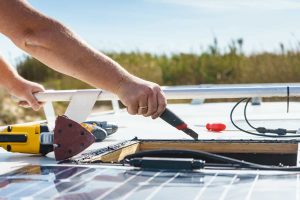
For small cracks, minor leaks, or resealing seams, DIY work can be effective and budget-friendly. Using high-quality RV roof sealants, repair tape, and cleaner designed specifically for your roof type can go a long way. However, improper application or the wrong materials can make things worse.
Professional Repairs
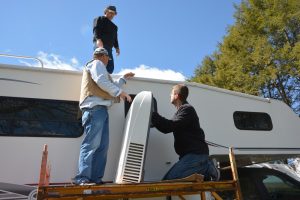
For significant leaks, sagging areas, or major surface damage, it’s best to rely on certified technicians. Professionals have specialized tools and materials that ensure long-lasting results — plus, they can identify hidden damage that might not be visible to the untrained eye.
If you’re in Florida, seeking RV roof repair services in Sarasota, FL, for instance, ensures your roof is restored using climate-appropriate materials that can withstand the region’s heat and humidity. Local specialists also understand common issues caused by Florida’s weather patterns and coastal conditions.
Top Professional Tips for Effective RV Roof Repair
Now that you know when to call in the pros, let’s look at several key tips that can help maintain your RV’s roof integrity and extend its life span.
1. Inspect After Every Trip
Even short trips can cause unnoticed wear. After each journey, inspect your roof for cracks, tears, or pooling water. Look closely around vents and seams — these areas are leak-prone.
2. Use Compatible Sealants
Not all sealants are created equal. Rubber roofs, for example, require non-petroleum-based sealants, while fiberglass and aluminum roofs might need specialized coatings. Using the wrong type can cause peeling or chemical damage.
3. Clean Regularly
Keeping your roof clean prevents mold and extends the lifespan of sealants. Use gentle cleaning solutions designed for RV roofs, and avoid harsh chemicals or stiff brushes that could cause abrasion.
4. Apply UV-Protective Coating
Applying a UV protectant coating helps shield your roof from sun damage. It’s particularly crucial in hot climates where roofs are exposed to intense UV rays, like Sarasota and other parts of Florida.
5. Reseal Annually
Even if your roof appears in good shape, resealing once a year provides an extra layer of defense against leaks. Preventive maintenance like this is always cheaper than large-scale repairs later.
Choosing the Right RV Roof Repair Professional
If you decide to hire a repair service, make sure to choose one that specializes in RVs rather than general vehicle repair. Look for certified technicians who understand the different materials used in RV roofing and can provide warranties on their work.
Before committing, ask:
- What types of roofing materials do you specialize in?
- Do you offer a warranty on both materials and labor?
- Can you inspect for hidden water damage or rot?
Local companies offering RV roof repair services in Sarasota, FL, often provide free roof inspections or quotes — making it easy to catch small issues before they become major problems.
Preventing Roof Damage Before Your Next Trip
Preventive care is the best strategy for avoiding unexpected repairs during your travels. Here are some habits that can make all the difference:
- Park Smart: Avoid parking under trees that could drop branches or sap on your roof.
- Mind the Weight: Walking on your roof can cause stress or damage if it’s not designed for it. Always use caution and walk on supported areas only.
- Cover Your RV: When not in use, cover your RV or park it under a shelter to protect it from weather exposure.
- Address Leaks Immediately: Even small leaks can cause big damage over time. As soon as you notice moisture or staining inside your RV, act fast.
These simple steps can save you from costly RV roof repair bills and keep your RV travel-ready year-round.
When Replacement Might Be the Better Option
Sometimes, repairing your RV roof isn’t enough. If the damage covers a large area, or if your roof has exceeded its life expectancy (usually 10–20 years depending on material), a complete replacement may be more cost-effective in the long run.
Modern replacement options often include advanced coatings, improved sealants, and better insulation — enhancing both durability and energy efficiency. A professional technician can assess whether your roof can be repaired or needs a full replacement.
FAQs
1. How often should I inspect my RV roof?
You should inspect your RV roof every three months and before long trips. Frequent checks help catch small issues like cracks or leaks before they turn into costly repairs.
2. What’s the average lifespan of an RV roof?
Depending on the material, an RV roof can last between 10 to 20 years. Regular cleaning, resealing, and UV protection can significantly extend its lifespan.
3. Can I use regular silicone sealant for my RV roof?
No. Regular silicone isn’t suitable for most RV roofs and may not adhere properly. Always use RV-specific sealants recommended for your roof type, such as EPDM or TPO-safe products.
4. How do I know if my roof needs replacement instead of repair?
If you notice widespread cracks, soft spots, delamination, or chronic leaks despite multiple repairs, a roof replacement may be the better long-term solution.
5. Are professional RV roof repairs expensive?
The cost depends on the extent of the damage and the material. However, regular maintenance and early detection can prevent expensive repairs or full replacements later.
Final Thoughts
Your RV is more than a vehicle — it’s your home on wheels, your adventure partner, and your ticket to freedom. Keeping its roof in good shape ensures those adventures continue without interruption. With proper maintenance, timely repairs, and the help of experienced professionals when needed, your RV roof can last for decades.
Whether you’re doing preventive maintenance yourself or seeking RV roof repair services in Sarasota, FL, remember that early attention saves money, time, and stress. So before your next road trip, give your RV roof the care it deserves — it’s the first line of defense against the elements and the key to worry-free travel.